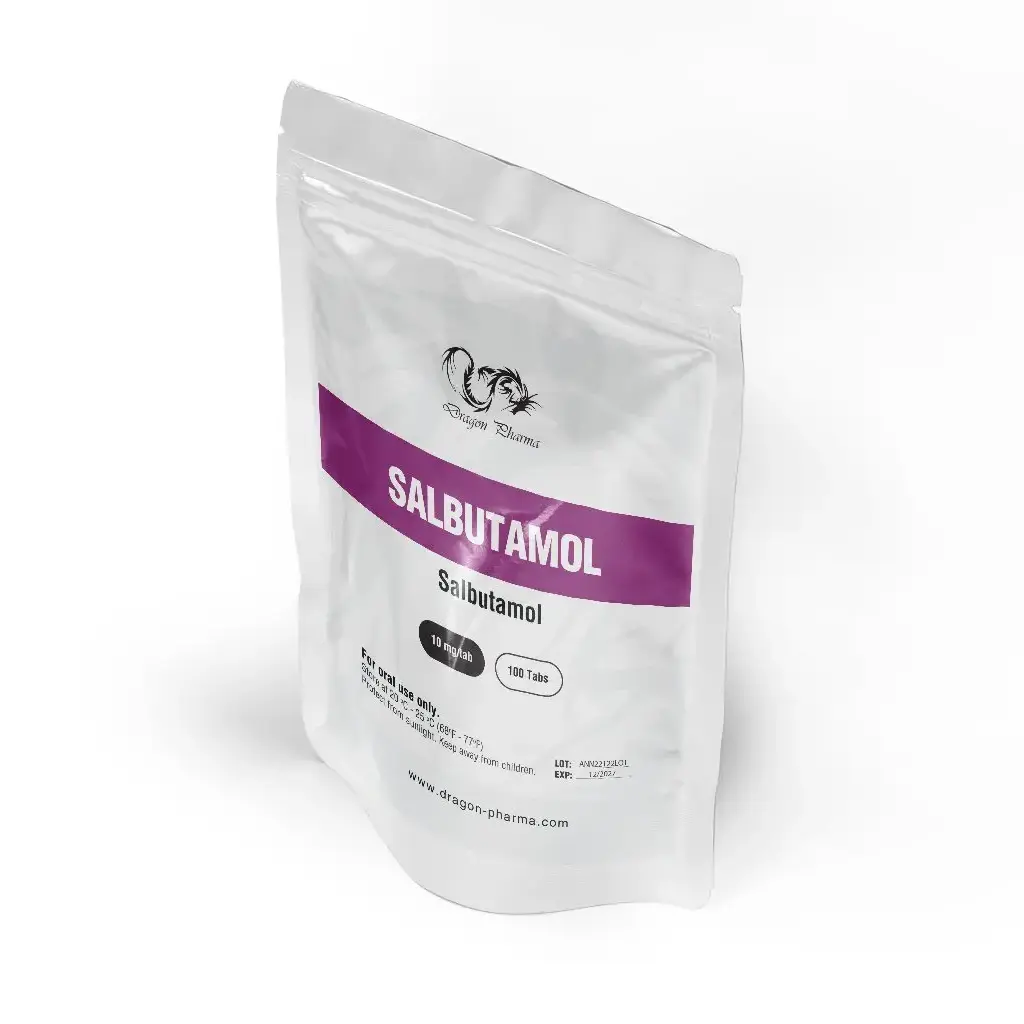
Salbutamol Dragon Pharma
Salbutamol, also known as albuterol, is a short-acting beta-2 adrenergic agonist medication that belongs to the sympathomimetic family. It is commonly used in the treatment of conditions characterized by bronchoconstriction, such as asthma and chronic obstructive pulmonary disease (COPD). The primary mechanism of action involves the stimulation of beta-2 receptors on the smooth muscles surrounding the airways, leading to bronchodilation and an increase in airflow to the lungs. This is achieved by relaxing these muscles and reducing the resistance in the airways, thereby alleviating symptoms such as wheezing, coughing, and shortness of breath. Salbutamol can be administered via various routes, including inhalation through a metered-dose inhaler or nebulizer, orally, or intravenously. It is a first-line treatment for acute asthma exacerbations and is also used as a preventive measure prior to exercise or exposure to known asthma triggers.
References
The efficacy and safety profile of salbutamol are well-documented in numerous medical textbooks and research studies, such as the British National Formulary and the Global Initiative for Asthma guidelines, which are widely recognized for providing evidence-based recommendations for the management of respiratory disorders.
Salbutamol FAQ
What is Salbutamol, and how does it work?
Salbutamol is a short-acting β2-adrenergic agonist primarily used in the management of conditions such as asthma and chronic obstructive pulmonary disease (COPD). It works by stimulating β2-adrenergic receptors in the bronchial smooth muscle, leading to relaxation and dilation of the airways. This mechanism results in improved airflow and alleviation of bronchospasm, enabling better respiratory function during episodes of wheezing or difficulty breathing.
What forms of Salbutamol are available for patients?
Salbutamol is available in several forms, including metered-dose inhalers (MDIs), nebulizer solutions, and oral tablets or syrups. The inhaled forms, such as MDIs and nebulizers, are commonly used as they provide rapid relief from acute symptoms by delivering the medication directly to the lungs. The choice of formulation depends on the patient's specific needs, severity of their condition, and preference for delivery method.
Are there any common side effects associated with Salbutamol usage?
Yes, like all medications, Salbutamol may cause side effects, though not everyone experiences them. Common side effects include tremors, headaches, increased heart rate (tachycardia), and palpitations. These effects are often transient and generally decrease as the body adjusts to the medication. However, if side effects persist or are severe, it is important for patients to consult their healthcare provider for potential adjustments to their treatment plan.
Can Salbutamol be used in combination with other medications?
Salbutamol is frequently used in conjunction with other medications to optimize asthma and COPD management. It can be safely combined with inhaled corticosteroids, long-acting β2-agonists, and anticholinergics to achieve better symptom control. However, any combination therapy should be overseen by a healthcare professional to ensure proper management of dosages and to mitigate the risk of adverse effects.
Who should avoid using Salbutamol?
While Salbutamol is generally considered safe for most patients, certain individuals should exercise caution. Those with a history of hypersensitivity to salbutamol or any of its components, individuals with severe cardiovascular disorders, or patients experiencing hyperthyroidism should consult their healthcare provider before using this medication. Additionally, children and the elderly may require careful monitoring when prescribed Salbutamol, as they may be more susceptible to its effects.