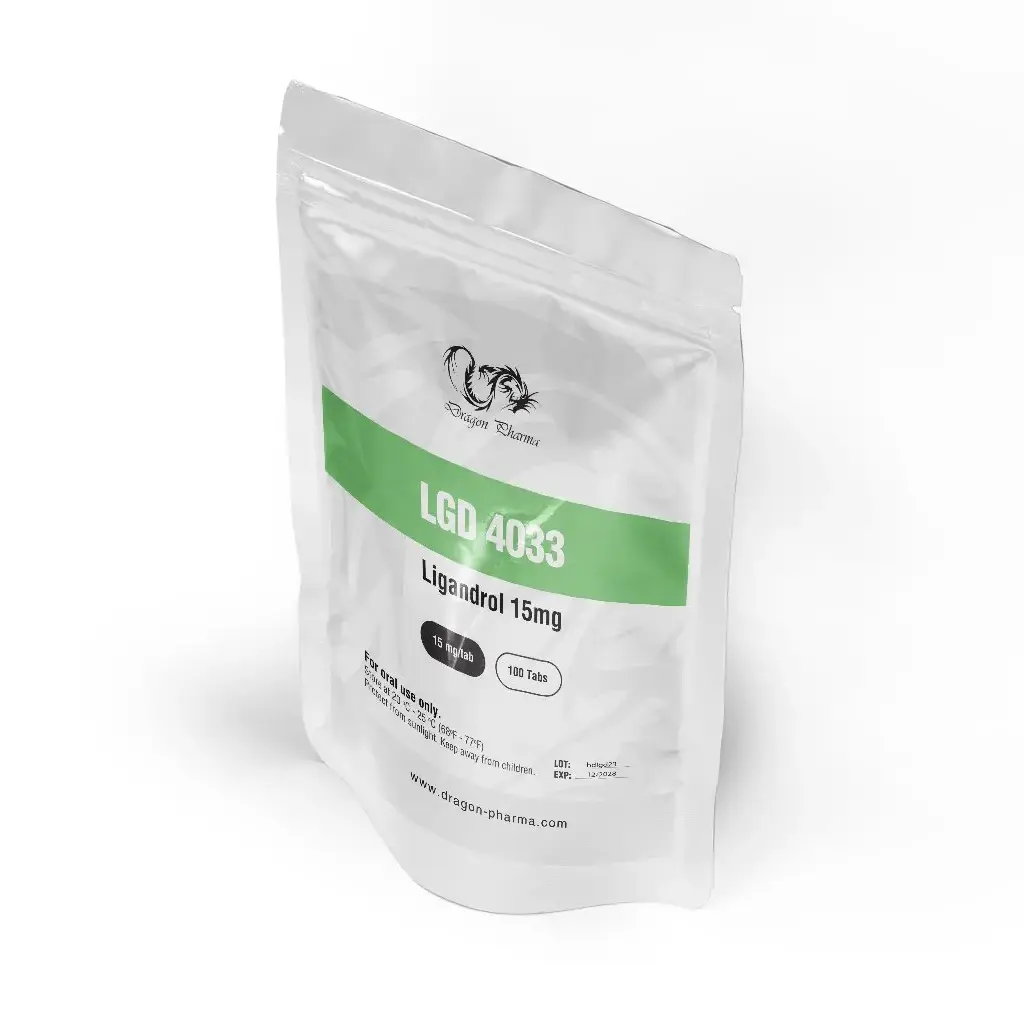
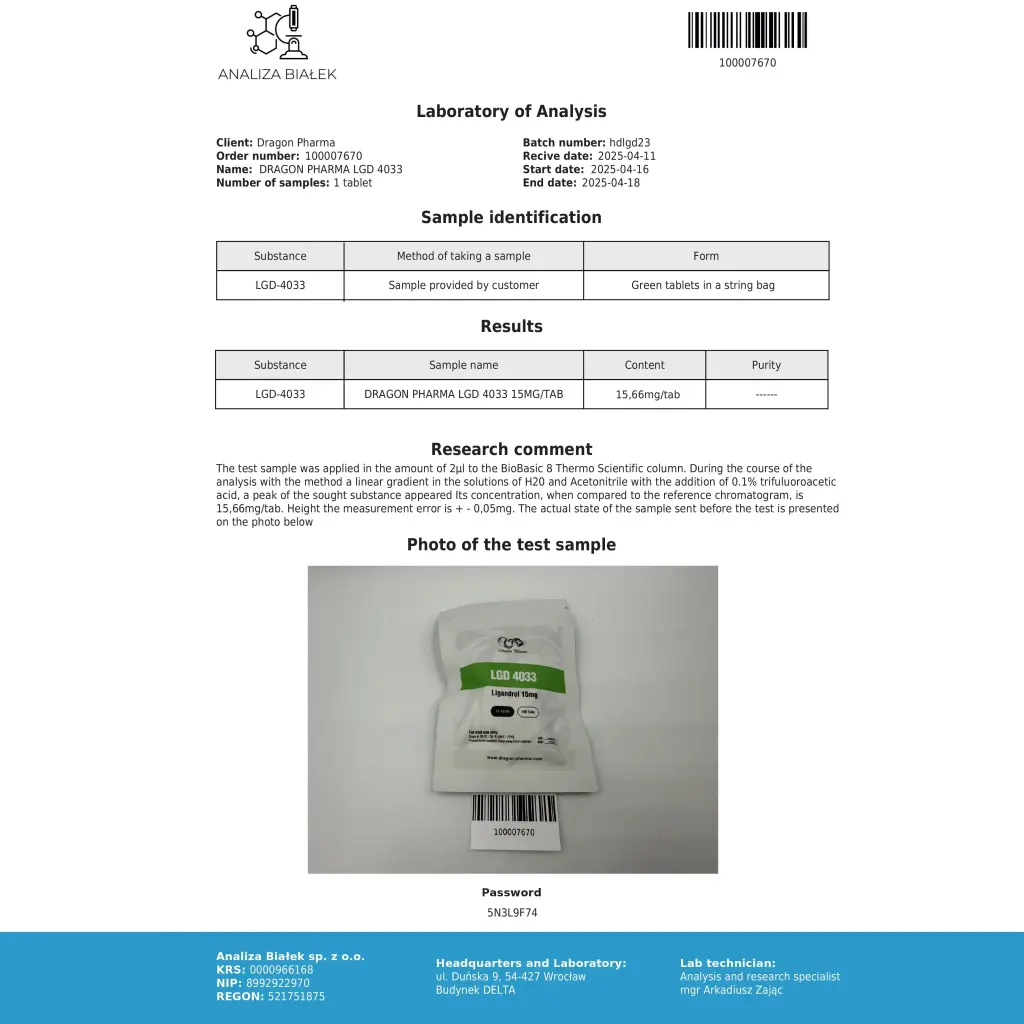
LGD 4033 Dragon Pharma
Ligandrol, also known as LGD-4033, is a selective androgen receptor modulator (SARM) that has been studied for its potential therapeutic effects in various medical fields, particularly in the treatment of musculoskeletal conditions and conditions associated with muscle wasting.
References
Research published in the "Journal of Cachexia, Sarcopenia and Muscle" suggests that Ligandrol may help increase muscle mass and physical function in elderly individuals, thereby reducing the risks associated with age-related muscle loss (sarcopenia). It has also been evaluated for its efficacy in improving muscle strength and bone density in conditions such as osteoporosis.
However, it is important to note that while promising, these studies are typically conducted in small populations and under controlled conditions. The long-term safety profile of Ligandrol is not fully established and more extensive research is required to determine its full range of effects and potential side effects. It is essential that individuals consult with healthcare professionals and adhere to regulated medical protocols when considering the use of SARMs like Ligandrol.
Some of the key sources that provide a scientific understanding of SARMs, including Ligandrol, are "Selective androgen receptor modulators (SARMs): a novel class of androgen receptor ligands" by Gao and Dalton in the "Journal of Medicinal Chemistry" and "The Safety, Pharmacokinetics, and Effects on Body Composition and Physical Performance in Older Men and Postmenopausal Women of a Novel Nonsteroidal Selective Androgen Receptor Modulator (LGD-4033)" by Bhasin et al. in "The Journals of Gerontology Series A: Biological Sciences and Medical Sciences."
These studies underscore the need for further investigation into the therapeutic potential and safety of Ligandrol before it can be widely recommended for clinical use.
LGD 4033 FAQ
What is LGD-4033, and how does it function within the body?
LGD-4033, also known as Ligandrol, is a selective androgen receptor modulator (SARM) developed primarily for the treatment of conditions such as muscle wasting and osteoporosis. It functions by selectively binding to androgen receptors in muscle and bone tissues, enhancing anabolic activity while minimizing androgenic effects in other tissues. This selective action aims to provide the benefits of anabolic steroids, such as increased muscle mass and strength, with a reduced risk of side effects typically associated with traditional anabolic agents.
What are the potential benefits of using LGD-4033 for muscle growth and athletic performance?
The primary benefits associated with LGD-4033 include increased lean muscle mass, improved strength, and enhanced athletic performance. Users may experience faster recovery times from workouts, which can lead to more intensive training sessions. Additionally, LGD-4033 has garnered attention for its potential ability to promote fat loss while preserving muscle, making it appealing for those looking to optimize their body composition. However, it is essential to note that individual results may vary and are contingent upon various factors, such as diet, training regimen, and overall health.
Are there any known side effects associated with LGD-4033 usage?
While LGD-4033 is generally regarded as having a favorable safety profile compared to traditional anabolic steroids, potential side effects may still arise. Users have reported minor issues such as headaches, gastrointestinal disturbances, and temporary hormonal imbalances, including suppressed natural testosterone production. Long-term effects are still being studied, and it is crucial for individuals considering its use to consult with a healthcare professional to weigh the potential benefits against possible risks.
Is LGD-4033 legal to purchase and use in sports organizations?
The legal status of LGD-4033 varies by country and regulatory body. In many regions, LGD-4033 is classified as an investigational compound and is not approved for human consumption outside of clinical trials. Many sports organizations, including the World Anti-Doping Agency (WADA), classify LGD-4033 as a prohibited substance, making its use in competitive sports illegal. Athletes should always verify the regulations of their respective sports organizations and understand the implications of using such substances before incorporating them into their training protocols.
How should LGD-4033 be dosed for safety and efficacy?
While there is no officially approved dosage for LGD-4033, anecdotal reports suggest that doses typically fall within the range of 5 to 10 mg per day for most users. It is advisable to start at a lower dose to assess tolerance before adjusting accordingly. Cycle lengths also vary, with common practices ranging from 6 to 8 weeks, followed by a break to allow hormonal balance to return. Importantly, individuals should approach dosing with caution and under the guidance of a healthcare professional to ensure both safety and efficacy. Regular health monitoring is also recommended during use.