


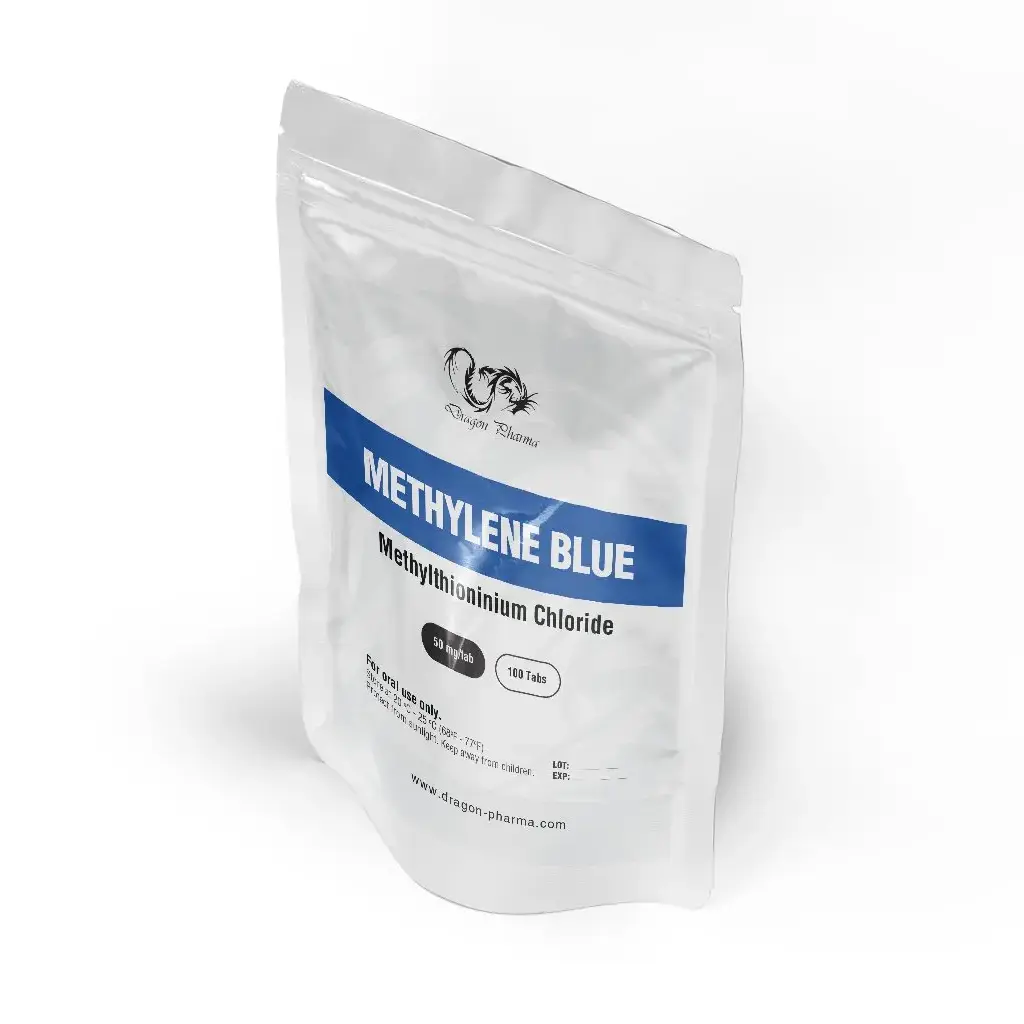
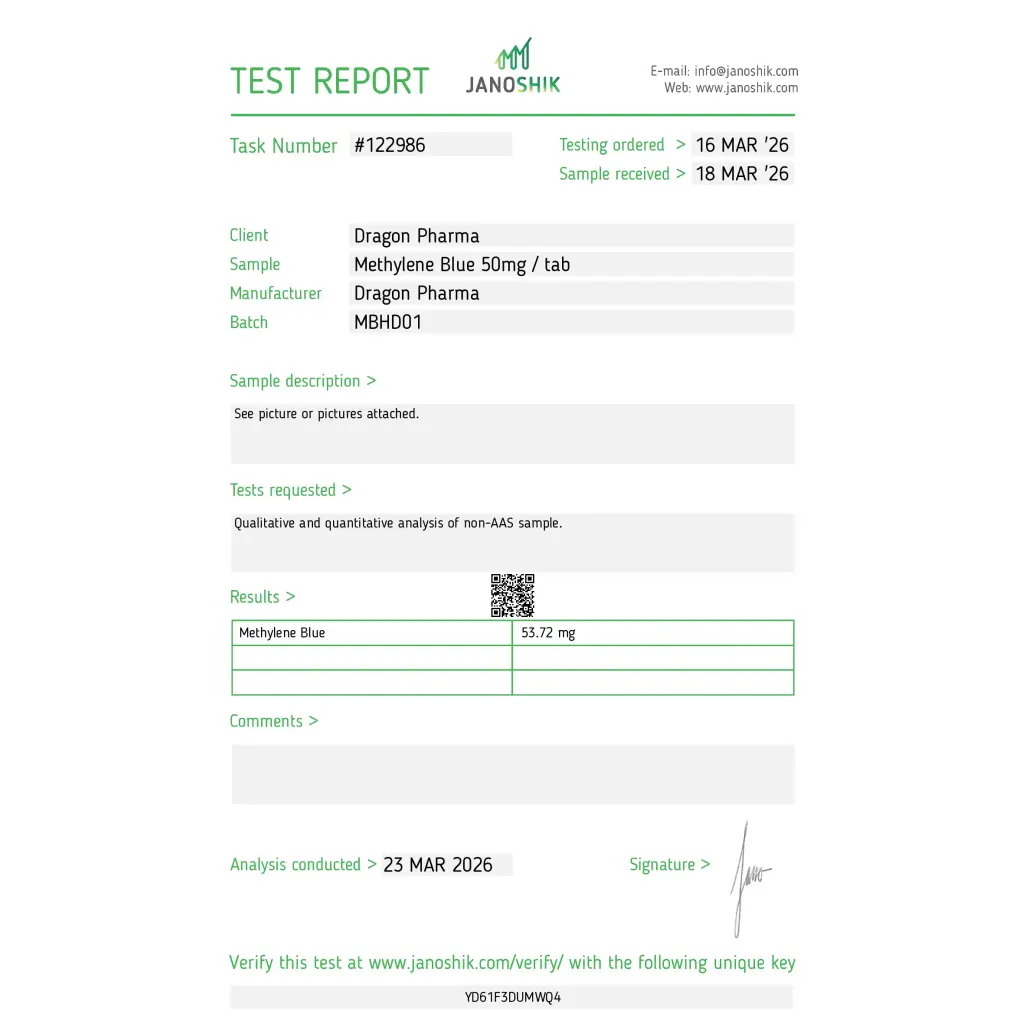
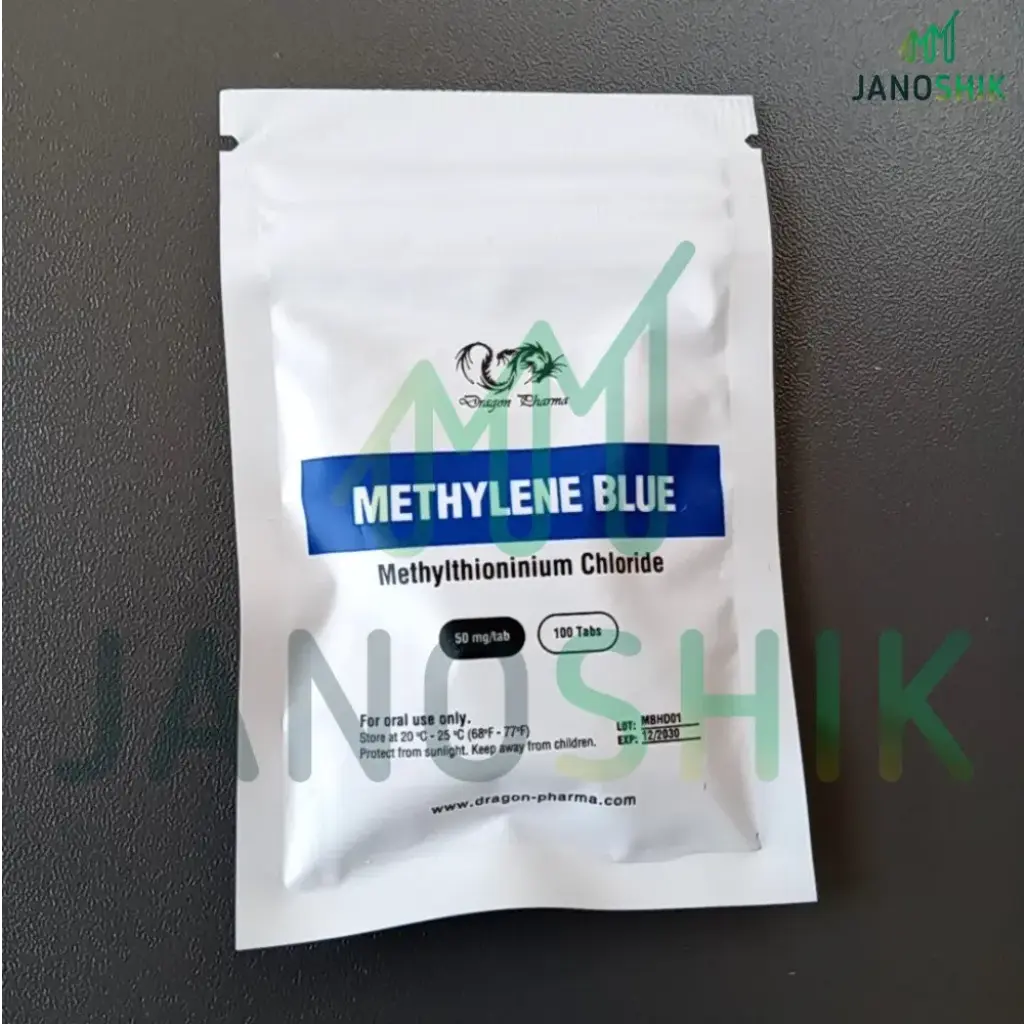
Manufacturer: Dragon Pharma
Pharmaceutical name: Methylthioninium Chloride
Pack: 100 tabs (50 mg/tab)
You get 20% CASHBACK if you pay with Crypto. Valid for non-discounted orders.
Methylene Blue, also known as Methylthioninium Chloride, is a synthetic dye and medication primarily used to treat methemoglobinemia, a condition where hemoglobin is unable to carry oxygen effectively. It has also been explored for various other potential uses, including cognitive enhancement and neuroprotection, but these applications require further research.
Please log in to write Methylene Blue review.

Manufacturer: Dragon Pharma, Europe
Substance: Raloxifene Hydrochloride
Pack: 60 mg/tab, 100 tabs
Manufacturer: Dragon Pharma, Europe
Substance: YK 11
Pack: 10 mg/tab, 100 tabs
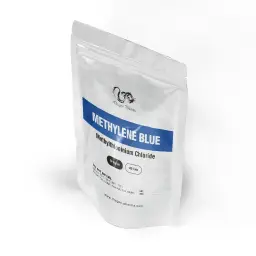
Manufacturer: Dragon Pharma
Pharmaceutical name: Methylthioninium Chloride
Pack: 100 tabs (50 mg/tab)
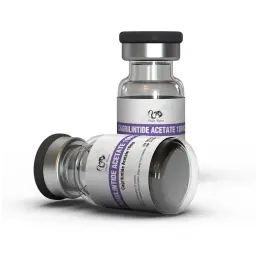
Manufacturer: Dragon Pharma, Europe
Substance: Cagrilintide
Pack: 10 mg/ml, vial
Methylthioninium Chloride, also known as methylene blue, is a synthetic compound traditionally used as a dye. In the medical field, it serves multiple purposes, including being employed as a medication for treating methemoglobinemia, a condition where hemoglobin cannot effectively release oxygen to body tissues. Additionally, it has applications in various diagnostic procedures, such as a staining agent in histology, and has also been studied for its potential neuroprotective properties in conditions like Alzheimer's disease.
Methylthioninium Chloride functions primarily by acting as a reducing agent. In treating methemoglobinemia, it converts ferric ion back to ferrous ion in hemoglobin, restoring its ability to carry oxygen. Furthermore, its ability to react with free radicals and its role as an antioxidant have led to investigations into its therapeutic effects in neurological disorders, where oxidative stress is implicated.
Like any medication, Methylthioninium Chloride can indeed have side effects. Common side effects may include a transient blue discoloration of urine and skin, which is typically harmless. More serious adverse effects can occur, such as allergic reactions, serotonin syndrome when combined with certain antidepressants, and potential interactions with other medications. Therefore, it is essential for individuals to consult healthcare professionals before use, particularly in the context of existing health conditions or concurrent medications.
While Methylthioninium Chloride has been deemed safe for use in many individuals, certain populations may require caution or avoidance of its use. Pregnant or breastfeeding women, individuals with certain medical conditions (such as severe renal impairment), and those on specific medications (especially MAO inhibitors) should consult with their healthcare provider to assess the risk versus benefit. A thorough medical evaluation will help ensure that its administration is appropriate and safe.
Yes, there are numerous ongoing research initiatives exploring the broader applications of Methylthioninium Chloride beyond its current uses. Researchers are particularly interested in its neuroprotective effects and its potential role in treating neurodegenerative diseases, such as Alzheimer's and Parkinson's diseases. Studies are also investigating its antioxidant properties and its ability to affect mitochondrial function, which may have implications for a variety of other medical conditions. Overall, this compound continues to be a focus of scientific investigation due to its multifaceted properties.