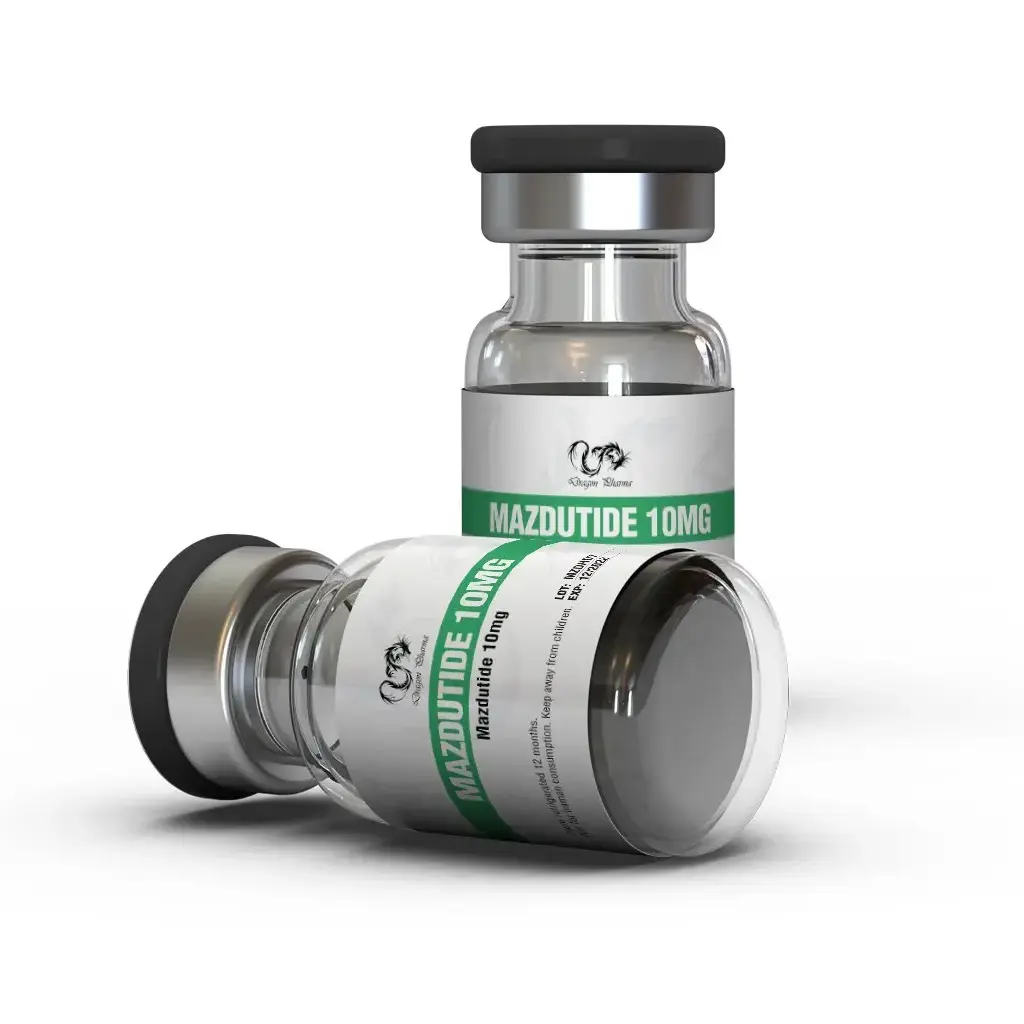
Mazdutide Dragon Pharma
Mazdutide, also known as LY2405319, is an investigational drug developed by Eli Lilly and Company for the potential treatment of obesity and metabolic disorders. It operates as a dual ghrelin receptor antagonist, which means it blocks the action of ghrelin, a hormone that stimulates appetite and food intake. By doing so, mazdutide is thought to reduce hunger and promote weight loss. This compound is particularly interesting because it targets both the ghrelin receptor types (GHS-R1a and GHS-R1b), which may lead to a more comprehensive effect on regulating energy balance than agents that only inhibit one receptor type. The therapeutic potential of mazdutide lies in its ability to modulate ghrelin signaling, which is crucial in controlling body weight, glucose homeostasis, and body composition.
References
Clinical trials have been conducted to evaluate its safety and efficacy, with some studies showing promising results in reducing body weight and improving metabolic parameters. However, as with all new pharmaceutical agents, extensive research and further studies are necessary to fully understand its long-term effects and determine its place in obesity management. It is not yet approved for therapeutic use, and its development status and potential indications are subject to ongoing clinical trials and regulatory decisions. For detailed information, one could refer to scientific journals such as "Nature Medicine" or "The Journal of Clinical Endocrinology & Metabolism," where research on ghrelin antagonists and their implications in obesity treatment are frequently published.
Mazdutide 10mg FAQ
What is Mazdutide, and how does it function in the body?
Mazdutide is a novel therapeutic compound that primarily functions as a dual agonist of the GLP-1 (glucagon-like peptide-1) receptor and GIP (gastric inhibitory polypeptide) receptor. It plays a crucial role in regulating glucose metabolism and appetite. Upon administration, Mazdutide stimulates insulin secretion in response to increased blood glucose levels while also suppressing glucagon release, contributing to improved glycemic control. Additionally, by modulating appetite, it may aid in weight management, making it a potential candidate for the treatment of obesity and type 2 diabetes.
What are the potential benefits of using Mazdutide for individuals with type 2 diabetes?
The potential benefits of Mazdutide for individuals with type 2 diabetes include enhanced glycemic control through improved insulin sensitivity and secretion, as well as reduced body weight. Clinical trials have suggested that Mazdutide may lower HbA1c levels effectively, which is a key indicator of long-term blood sugar management. Furthermore, the weight loss properties associated with Mazdutide may reduce the risk of diabetes-related complications by alleviating obesity-related stress on bodily systems, thus improving overall metabolic health.
Are there any known side effects associated with Mazdutide?
Yes, like any pharmacological agent, Mazdutide may present potential side effects. Commonly reported adverse effects include gastrointestinal symptoms such as nausea, diarrhea, and vomiting, which are typically associated with GLP-1 receptor agonists. Other potential side effects may include injection site reactions and, in some cases, an increased risk of hypoglycemia if combined with other glucose-lowering medications. It is important for individuals considering Mazdutide to discuss these potential risks with their healthcare provider to ensure informed decision-making.
How is Mazdutide administered, and what is the typical treatment regimen?
Mazdutide is typically administered via subcutaneous injection. The treatment regimen may vary depending on clinical guidelines and individual patient needs, but it often begins with a lower dose to assess tolerance, subsequently increasing as deemed appropriate by a healthcare provider. It is crucial for patients to follow their healthcare professional's instructions regarding dosage and frequency to maximize therapeutic effects while minimizing the risk of side effects.
Is Mazdutide effective for weight loss in individuals without diabetes?
Preliminary studies indicate that Mazdutide may also be effective for weight loss in individuals without diabetes, owing to its appetite-suppressing properties and metabolic effects. However, its primary approval has been focused on the management of type 2 diabetes. Ongoing research is necessary to fully understand its efficacy and safety profile in non-diabetic populations, and individuals interested in using Mazdutide for weight management should consult their healthcare provider for guidance on suitability and alternatives.