


🧬Peptide Hubs
You will save $24.00
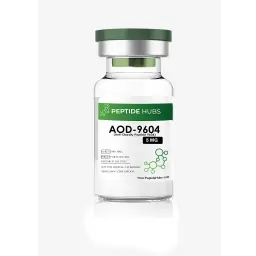
AOD 9604
Manufacturer: Peptide Hubs
Substance: Anti-Obesity Drug 9604
Pack: 5 mg, vial
$36.00
$60.00
International~12 days; Domestic~7 days;
Your current choice :
Your current choice :
International
U.S. Domestic
You get 20% CASHBACK if you pay with Crypto. Valid for non-discounted orders.
AOD 9604
AOD 9604, a synthetic peptide, is a 15-amino acid fragment of the growth hormone (GH) molecule with a molecular weight of 1823 Daltons. Specifically, it is a modified form of amino acids 176-191 of the GH molecule, which is important for its fat-reducing and regenerative properties. AOD 9604 is a more stable version of a naturally occurring hormone called Growth Hormone-Releasing Factor (GHRF) that stimulates the pituitary gland to release growth hormone. This peptide has been shown to have significant effects on fat loss without the negative side effects that can come with the use of full-length growth hormones.
The mechanism of action for AOD 9604 involves binding to specific receptors in the body, particularly the GH receptors located in fat tissue. Upon binding, it initiates a process called lipolysis, which is the breakdown of fat cells. This leads to the release of fatty acids into the bloodstream, which can be used as an energy source. The peptide also helps regulate fat metabolism by reducing the activity of an enzyme called hormone-sensitive lipase, which is responsible for breaking down triglycerides in adipose (fat) tissue. Moreover, AOD 9604 has been found to enhance the synthesis of new proteins in the body, which can be beneficial for muscle repair and regeneration.
Research suggests that AOD 9604 can increase fat oxidation and decrease fat deposition by affecting the activity of several genes involved in fat metabolism. It has been shown to reduce body weight and fat mass in animal studies, and some studies in humans have indicated potential for reducing body fat and improving metabolic markers such as insulin sensitivity. However, the efficacy of AOD 9604 for these purposes in humans is still under investigation, and its long-term safety and effectiveness are not fully established.
In terms of its chemical structure, AOD 9604 is a cyclic peptide, which means that its amino acids are linked in a circular configuration. This cyclic structure enhances its stability and biological activity. The molecule's stability allows it to have a longer half-life in the body compared to linear peptides, which can lead to more sustained effects.
While AOD 9604 has been proposed for various therapeutic uses, such as in the treatment of obesity and metabolic syndrome, it is important to note that its status is that of a research chemical and not a drug approved for human use by the FDA or other regulatory bodies. The use of AOD 9604 outside of clinical trials is not recommended due to the lack of comprehensive human studies and the potential for unknown side effects. Any decision to use this compound should be made in consultation with a medical professional who is aware of the latest scientific literature and who can assess individual risks and potential benefits.
No reviews found
Please log in to write AOD 9604 review.
Frequently Bought Together
📦 Domestic & International
-40% OFF
$36.00
$60.00
📦 Domestic & International
-40% OFF
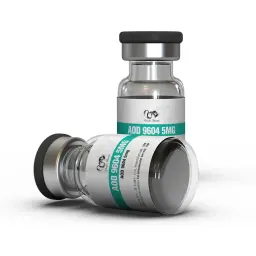
Dragon Pharma, Europe
Manufacturer: Dragon Pharma, Europe
Substance: Anti-Obesity Drug 9604
Pack: 5 mg/ml, vial
$43.20
$72.00
-40% OFF
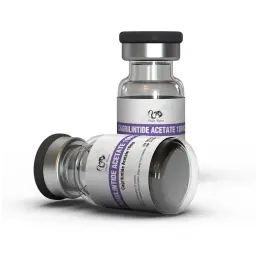
Dragon Pharma, Europe
Manufacturer: Dragon Pharma, Europe
Substance: Cagrilintide
Pack: 10 mg/ml, vial
$60.60
$101.00
📦 Domestic & International
🧪 Lab Tested
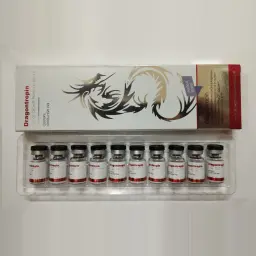
Dragon Pharma, Europe
Manufacturer: Dragon Pharma, Europe
Substance: Human Growth Hormone
Pack: 10iu/vial (10 vials), kit
$280.00
📦 Domestic & International
🧪 Lab Tested
-40% OFF
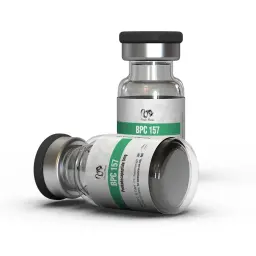
Dragon Pharma, Europe
Manufacturer: Dragon Pharma, Europe
Substance: Body Protective Compound 157
Pack: 5 mg, vial
$25.20
$42.00