


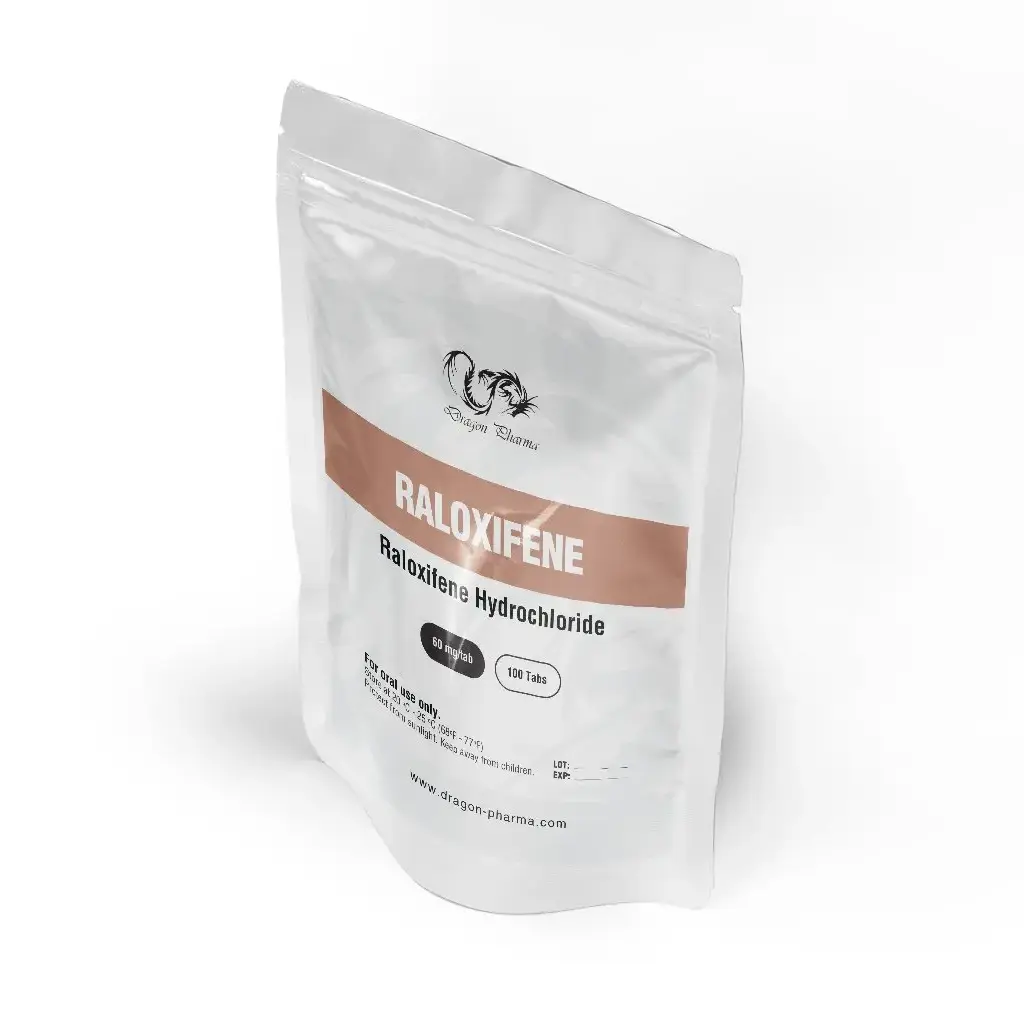
Manufacturer: Dragon Pharma, Europe
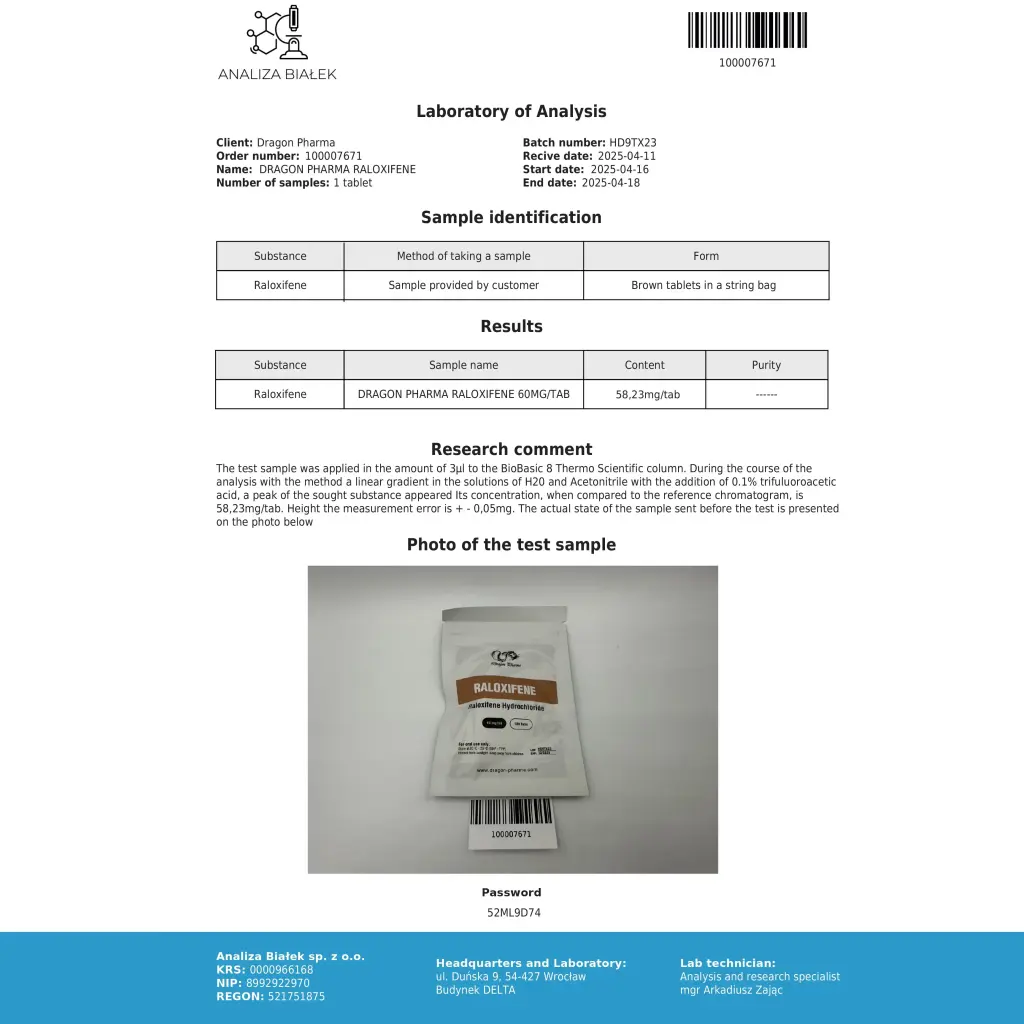
Substance: Raloxifene Hydrochloride
Pack: 60 mg/tab, 100 tabs
You get 20% CASHBACK if you pay with Crypto. Valid for non-discounted orders.
Raloxifene, a medication often prescribed to postmenopausal women, has garnered attention for its role in managing osteoporosis and reducing the risk of invasive breast cancer. As we delve into the intricacies of Raloxifene, we will uncover how it functions in the body, the latest research surrounding its efficacy, and its broader implications for women's health.
Raloxifene is a selective estrogen receptor modulator (SERM), which means it mimics estrogen's beneficial effects on bone density while blocking its potential adverse effects on breast and uterine tissues. Approved for use in the United States by the FDA in 1997, Raloxifene is primarily indicated for the prevention and treatment of osteoporosis in postmenopausal women. By acting on specific estrogen receptors, Raloxifene helps maintain bone mass and reduces the risk of fractures associated with osteoporosis.
The mechanism of Raloxifene is quite fascinating. When Raloxifene binds to estrogen receptors in bone tissue, it promotes a balance between bone formation and resorption, leading to increased bone density. This is particularly important as estrogen levels drop after menopause, significantly increasing the risk of osteoporosis. Additionally, Raloxifene exhibits a unique profile; while it activates estrogen receptors in bones, it simultaneously functions as an estrogen antagonist in breast and uterine tissues. This dual action not only improves bone health but also plays a preventive role against certain types of breast cancer.
Research studies have consistently supported the effectiveness of Raloxifene in improving bone mineral density and reducing fracture risk in postmenopausal women. For instance, a comprehensive study published in the journal *New England Journal of Medicine* highlighted that women taking Raloxifene experienced a significant reduction in vertebral fractures compared to those receiving a placebo. Furthermore, long-term studies have shown that Raloxifene can also decrease the risk of developing invasive breast cancer by up to 76% in women at high risk, offering a promising alternative for those who may be contraindicated for traditional hormone replacement therapy.
Moreover, ongoing research seeks to explore additional benefits of Raloxifene, including its potential impact on cardiovascular health. Some studies suggest that Raloxifene may help lower cholesterol levels and improve overall heart health, although more data is needed to fully understand its cardiovascular profile.
While Raloxifene presents several benefits, like any medication, it comes with potential side effects, including hot flashes, leg cramps, and an increased risk of blood clots. It's essential for patients to discuss their medical history and any existing conditions with their healthcare provider before starting Raloxifene.
In summary, Raloxifene stands out as a multifaceted tool in managing postmenopausal osteoporosis and reducing breast cancer risk. Its unique action as a SERM provides both protective benefits for bones and a preventive measure against certain cancers. As ongoing research continues to unfold, Raloxifene may well enhance our understanding of hormonal therapies and their roles in women's health, paving the way for improved treatment strategies and outcomes. Whether you're discussing options with your healthcare provider or looking to learn more about this innovative medication, Raloxifene is undoubtedly a pivotal part of the conversation surrounding women's health today.
Please log in to write Raloxifene review.

Manufacturer: Dragon Pharma, Europe
Substance: Raloxifene Hydrochloride
Pack: 60 mg/tab, 100 tabs
Manufacturer: Dragon Pharma, Europe
Substance: YK 11
Pack: 10 mg/tab, 100 tabs

Manufacturer: Dragon Pharma
Pharmaceutical name: Methylthioninium Chloride
Pack: 100 tabs (50 mg/tab)
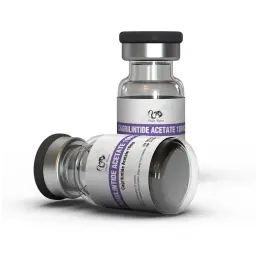
Manufacturer: Dragon Pharma, Europe
Substance: Cagrilintide
Pack: 10 mg/ml, vial