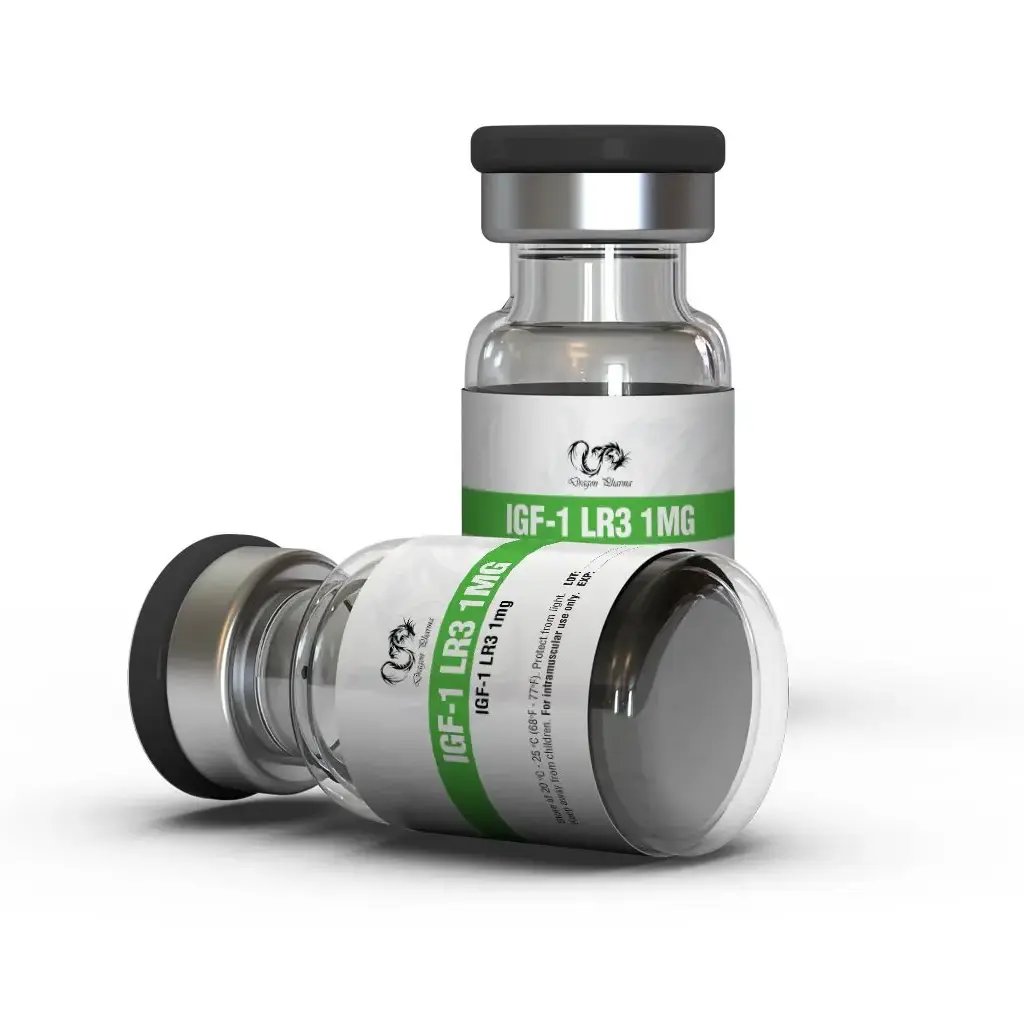
Manufacturer: Dragon Pharma, Europe
Substance: Insulin-like Growth Factor 1
Pack: 1 mg/vial, vial
You get 20% CASHBACK if you pay with Crypto. Valid for non-discounted orders.
IGF-1 LR3 is a synthetic variant of insulin-like growth factor 1 (IGF-1) that has been modified to enhance its stability and potency, making it more effective for promoting muscle growth and recovery. It is commonly used in research and bodybuilding for its anabolic properties, but it is important to note that it is not approved for human consumption.
Please log in to write IGF-1 LR3 review.
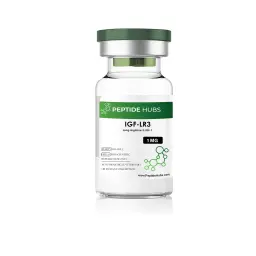
IGF-1 LR3, or Insulin-like Growth Factor-1 Long Arg3, is a modified form of IGF-1 that has been altered to enhance its potency and biological activity. The primary difference between IGF-1 LR3 and standard IGF-1 lies in its structure; the substitution of the third amino acid with arginine increases its half-life and binding affinity to IGF receptors, which may lead to more pronounced effects on muscle growth and repair. This extended half-life allows IGF-1 LR3 to exert its effects over a longer duration, making it a subject of interest in anabolic research and somatic growth studies.
The potential benefits of IGF-1 LR3 in the context of athletic performance include enhanced muscle growth, improved recovery times, and increased endurance. Studies suggest that IGF-1 LR3 can stimulate satellite cell proliferation and differentiation, contributing to muscle hypertrophy. Additionally, the compound may enhance nutrient utilization and improve fat metabolism, leading to better overall body composition. However, it is crucial to note that the use of IGF-1 LR3 for performance enhancement is subject to ethical considerations and regulatory scrutiny within competitive sports.
Yes, there are potential side effects associated with the use of IGF-1 LR3, similar to other growth factor analogs. Commonly reported side effects may include hypoglycemia, joint pain, and potential insulin resistance due to the compound's actions on growth and metabolism. Long-term or excessive use may lead to more severe complications, such as acromegalyβa condition resulting from excessive growth hormone leading to abnormal growth in bones and tissues. It is advisable for individuals to consult healthcare professionals before considering its use to weigh potential benefits against risks realistically.
IGF-1 LR3 is typically administered via subcutaneous injection, which is preferred for its efficient absorption and more stable blood concentration levels. Dosages can vary widely, often tailored to individual goals and body responses. It is critical to follow specific guidelines, as misuse or inappropriate dosing can lead to adverse effects. Consultation with a qualified healthcare provider is essential to establish a safe and effective administration protocol.
The legal status of IGF-1 LR3 varies by country and organization. In many places, IGF-1 LR3 is classified under performance-enhancing substances, leading to restrictions or bans in competitive athletic events. For instance, organizations like the World Anti-Doping Agency (WADA) include IGF-1 in their list of substances prohibited in sports. Athletes should be aware of their respective governing body's regulations regarding IGF-1 LR3 and ensure that their use complies with all relevant legal and ethical standards.