


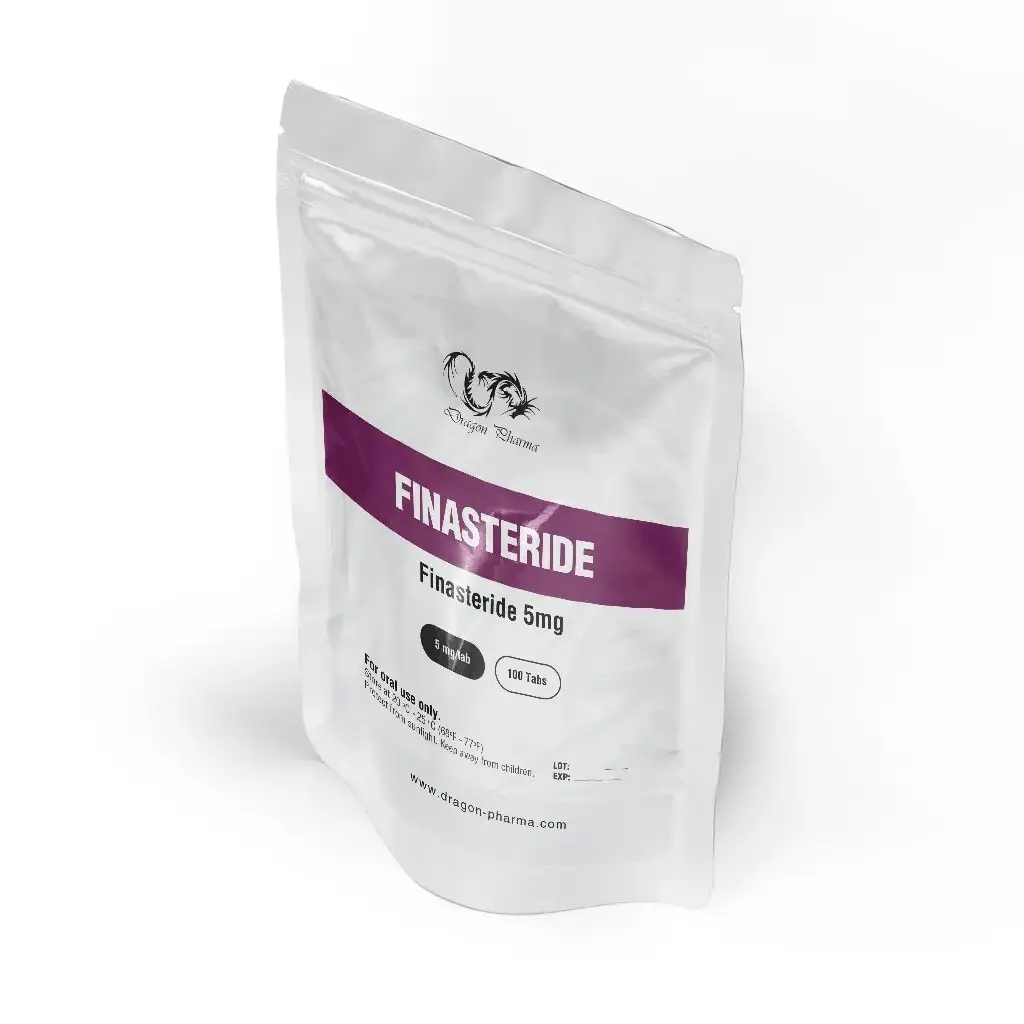
Manufacturer: Dragon Pharma, Europe
Substance: Finasteride
Pack: 5 mg/tabs, 100 tabs
You get 20% CASHBACK if you pay with Crypto. Valid for non-discounted orders.
Hair loss affects millions of men worldwide, making effective treatments a top concern. Medications like Finasteride have become popular solutions for hair regrowth and prostate issues. Knowing what Finasteride is, when it was created, and how it's used can help you make smarter health choices. This article covers everything you need to know about this well-known drug.
Finasteride is a type of medicine called a 5-alpha-reductase inhibitor. Its role is to block an enzyme that turns testosterone into a stronger form called dihydrotestosterone (DHT). High levels of DHT are linked to hair loss and prostate problems. By reducing DHT, Finasteride can slow or even reverse hair thinning and shrink an enlarged prostate.
Finasteride comes in different forms and dosages. The most common forms are pills taken by mouth. For hair loss, the usual dose is 1 milligram daily, marketed as Propecia. For prostate enlargement, the dose is higher—5 milligrams—sold as Proscar. These formulations help target specific health concerns with tailored treatment plans.
Once you swallow it, Finasteride reduces the amount of DHT produced in your scalp and prostate. For hair, less DHT means fewer hair follicles shrink, helping hair stay thick and healthy. For the prostate, lower DHT levels lead to reduced size and symptom relief. This dual function makes Finasteride a powerful tool against both hair loss and prostate issues.
Finasteride was developed in the late 1980s by several pharmaceutical companies across the globe. It was initially created to treat benign prostatic hyperplasia (BPH), or enlarged prostate. Researchers found that blocking DHT could help reduce prostate size and improve urinary symptoms.
The medication first gained approval for BPH in 1992, under the name Proscar. A few years later, in 1997, the FDA approved a lower dose of Finasteride for male pattern hair loss, selling it as Propecia. This timeline marks the start of its widespread use for two common health issues affecting men.
Over time, studies showed Finasteride's effects went beyond prostate health. Researchers explored its potential for treating other androgen-related conditions. Ongoing research continues to examine its safety, effectiveness, and long-term risks. The drug's versatility helped it become a mainstay in men's health.
Many men turn to Finasteride to combat male pattern baldness. It helps by blocking DHT, which is mainly responsible for hair loss. Regular use of 1 mg daily can support hair regrowth and slow further thinning. Typically, treatment lasts at least three to six months before noticeable results appear.
Finasteride also treats prostate enlargement. It shrinks the prostate gland gradually, easing difficulties with urination. Men experience less urgency, better flow, and fewer bathroom visits. The standard dose for BPH is 5 mg daily, often combined with other therapies.
Some studies suggest Finasteride might help women with hair loss, but its use is off-label and not approved officially. Researchers also explore its potential in treating other androgen-driven conditions, like certain skin disorders. However, these applications still need more evidence to become mainstream.
Stick to your doctor's prescribed dose. For hair loss, it's often 1 mg once a day, while BPH patients typically take 5 mg daily. Taking the medication at the same time each day helps maintain consistent levels in your body.
Regular doctor visits are crucial during treatment. They can track your progress and catch any side effects early. For hair loss, seeing your doctor after three to six months can confirm if the medication is working. For prostate health, ongoing check-ups are recommended.
Some men report sexual side effects like reduced libido, erectile dysfunction, or ejaculation issues. Hormonal changes may also occur. Serious but rare risks include allergic reactions or breast tenderness. If you notice any problems, consult your healthcare provider promptly.
Finasteride is a trusted medication used to fight male pattern hair loss and treat prostate enlargement. Its development dates back to the late 1980s, and it gained FDA approval for different uses over the years. When used properly under medical supervision, Finasteride can help restore hair and improve prostate health. Understanding how it works and its potential risks helps you make better health choices. Always speak with your doctor to see if Finasteride is right for you and follow their guidance for safe and effective treatment.
Please log in to write Finasteride 5mg review.
Manufacturer: Dragon Pharma, Europe
Substance: Cagrilintide
Pack: 10 mg/ml, vial
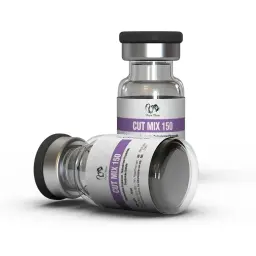
Manufacturer: Dragon Pharma, Europe
Substance: Drostanolone Propionate,Testosterone Propionate,Trenbolone Acetate
Pack: 150 mg/ml, 10 ml
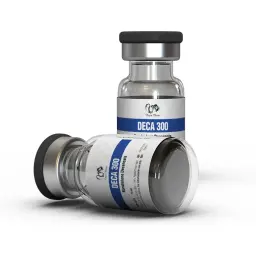
Manufacturer: Dragon Pharma, Europe
Substance: Nandrolone Decanoate
Pack: 300 mg/ml, 10 ml
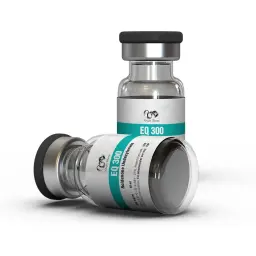
Manufacturer: Dragon Pharma, Europe
Substance: Boldenone Undecylenate
Pack: 300 mg/ml, 10 ml
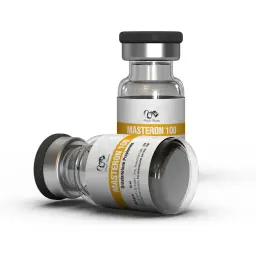
Manufacturer: Dragon Pharma, Europe
Substance: Drostanolone Propionate
Pack: 100 mg/ml, 10 ml